Heels That Don't Hurt: What Actually Works

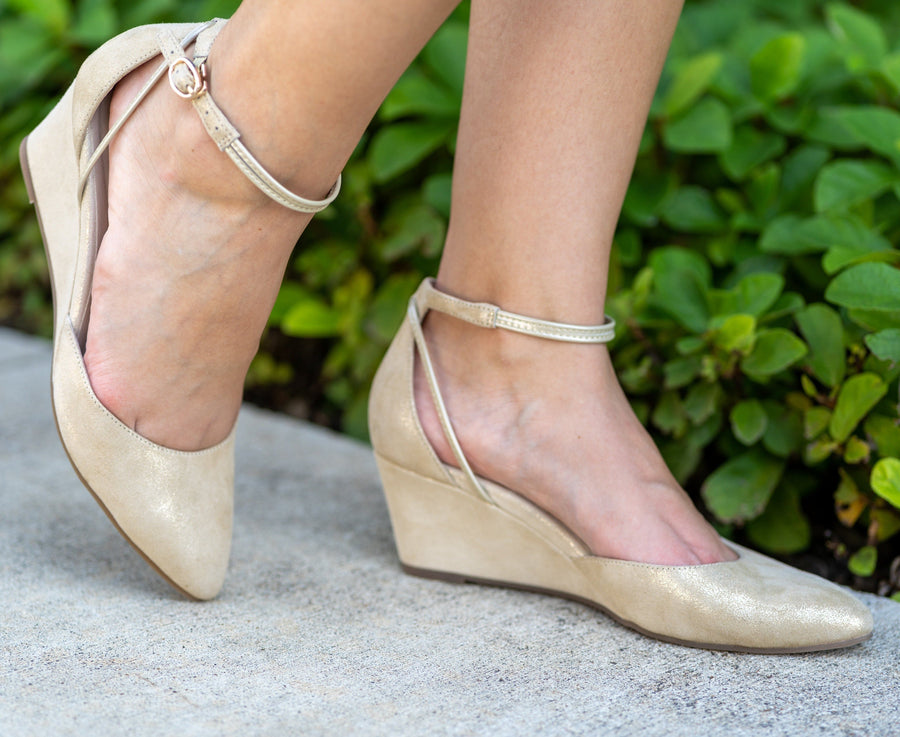
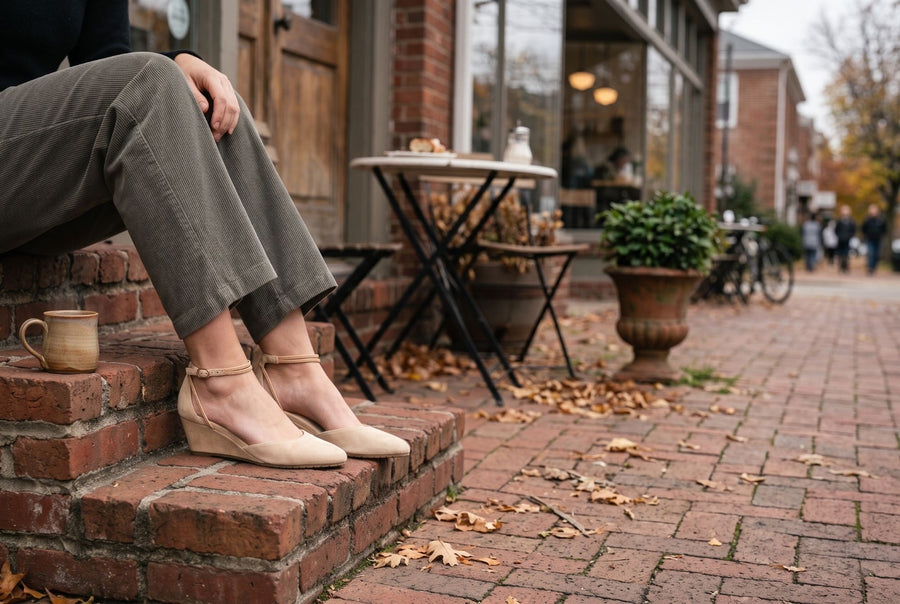
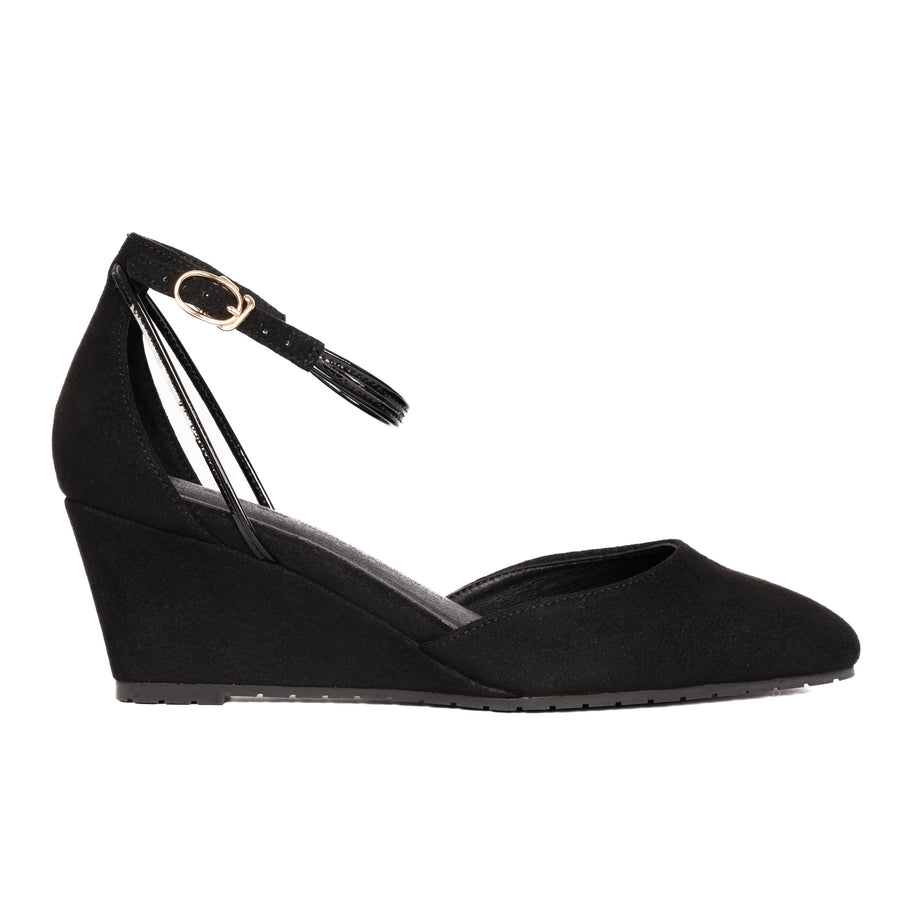
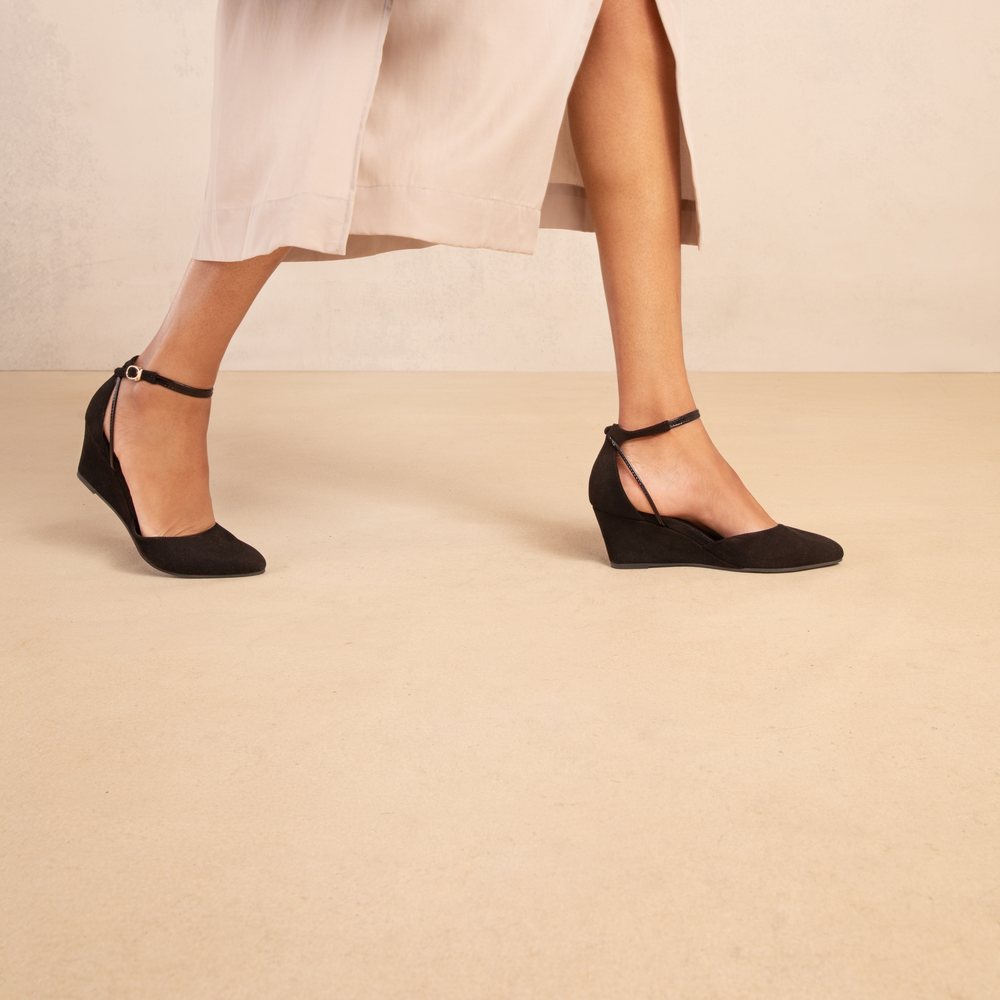
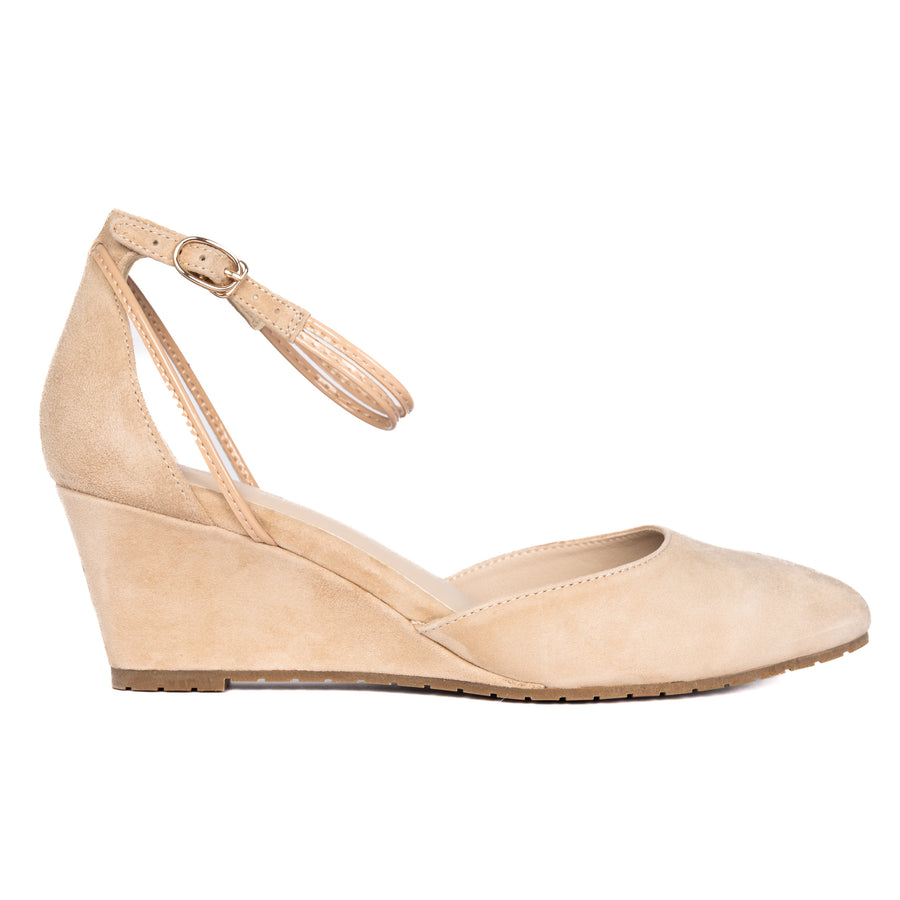
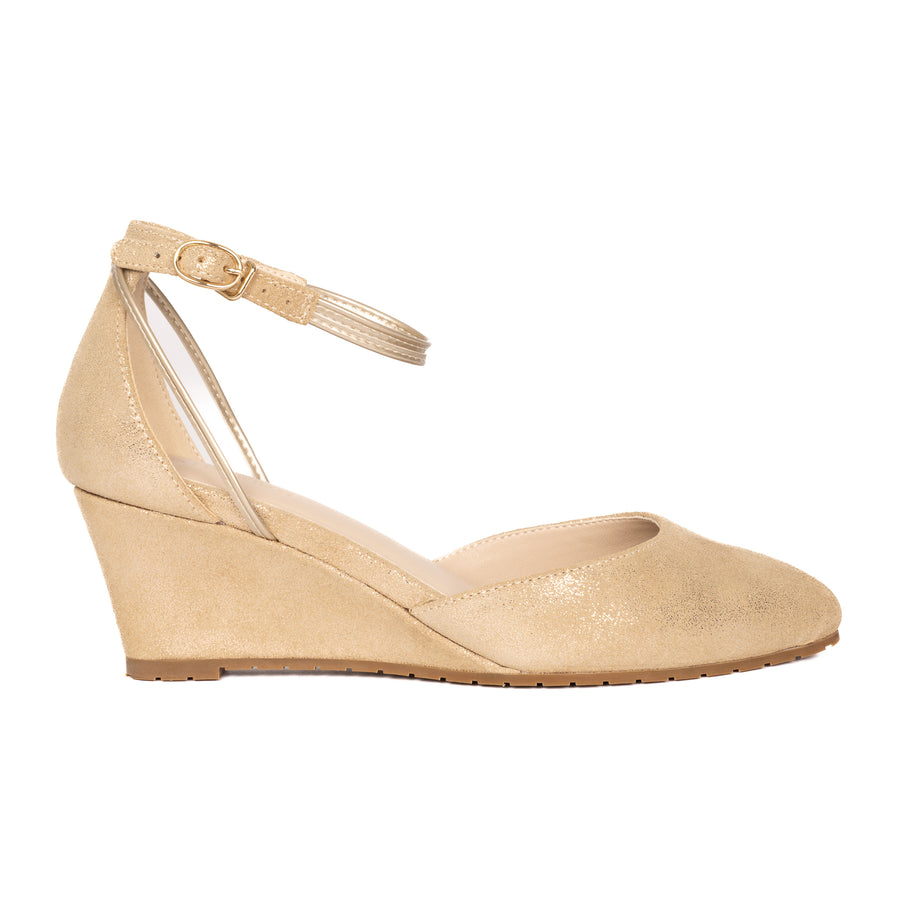
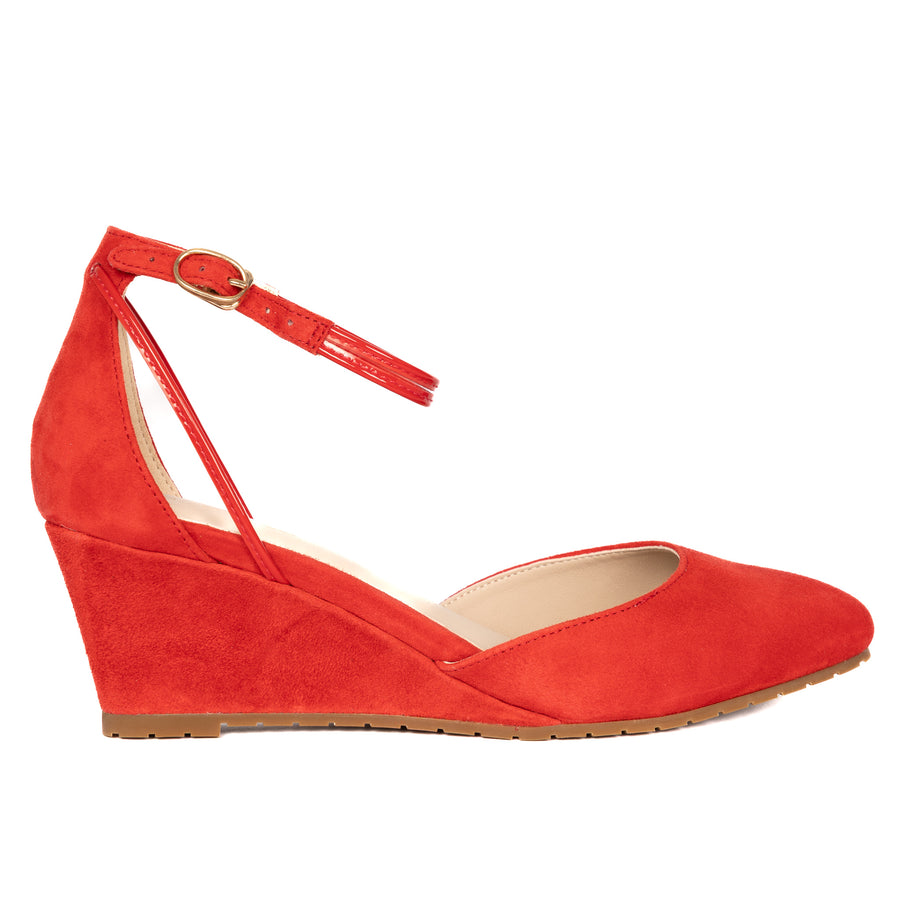
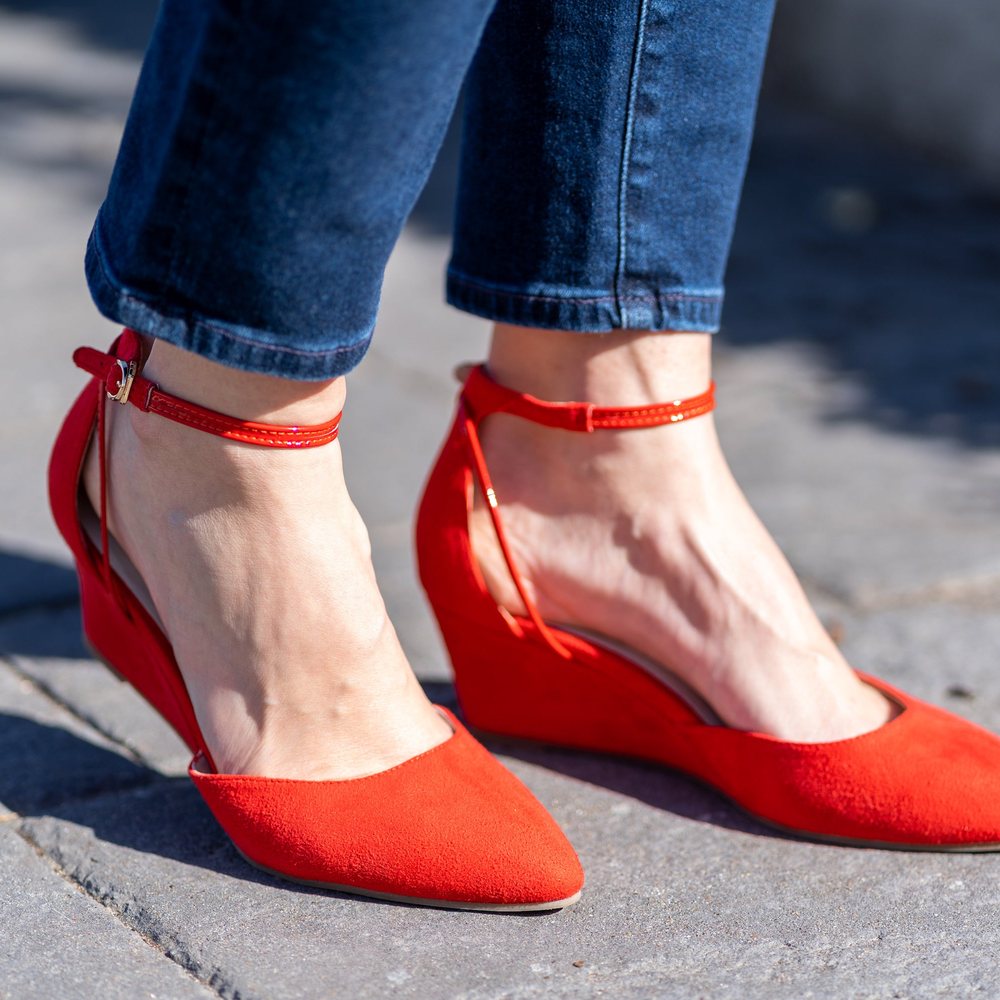
Heels that don't hurt share a short list of traits: a lower, calibrated heel (around two inches), real cushioning, arch support, a metatarsal pad and a toe box with room. Height and a steep pitch cause most heel pain, so a stable wedge styled like a heel hurts far less than a tall, thin stiletto.
Why most heels hurt
The taller and steeper the heel, the more of your body weight is tipped forward onto the ball of your foot. Add a thin sole with no cushioning and a pointed toe box, and your forefoot absorbs every step while your toes get squeezed. Stand or walk in that for a few hours and the result is predictable: aching arches, a burning forefoot, and blisters where the shoe rubs.
The anatomy of a heel that doesn't hurt
- A calibrated ~2″ height: high enough to look like a heel, low enough to keep you balanced.
- A cushioned midsole that absorbs impact instead of passing it to your feet.
- Arch support to distribute your weight across the whole foot.
- A met pad under the ball of the foot, where heel pain usually begins.
- A roomy toe box and a stable base: a wedge is far steadier than a stiletto.
How Steffie's designed the pain out
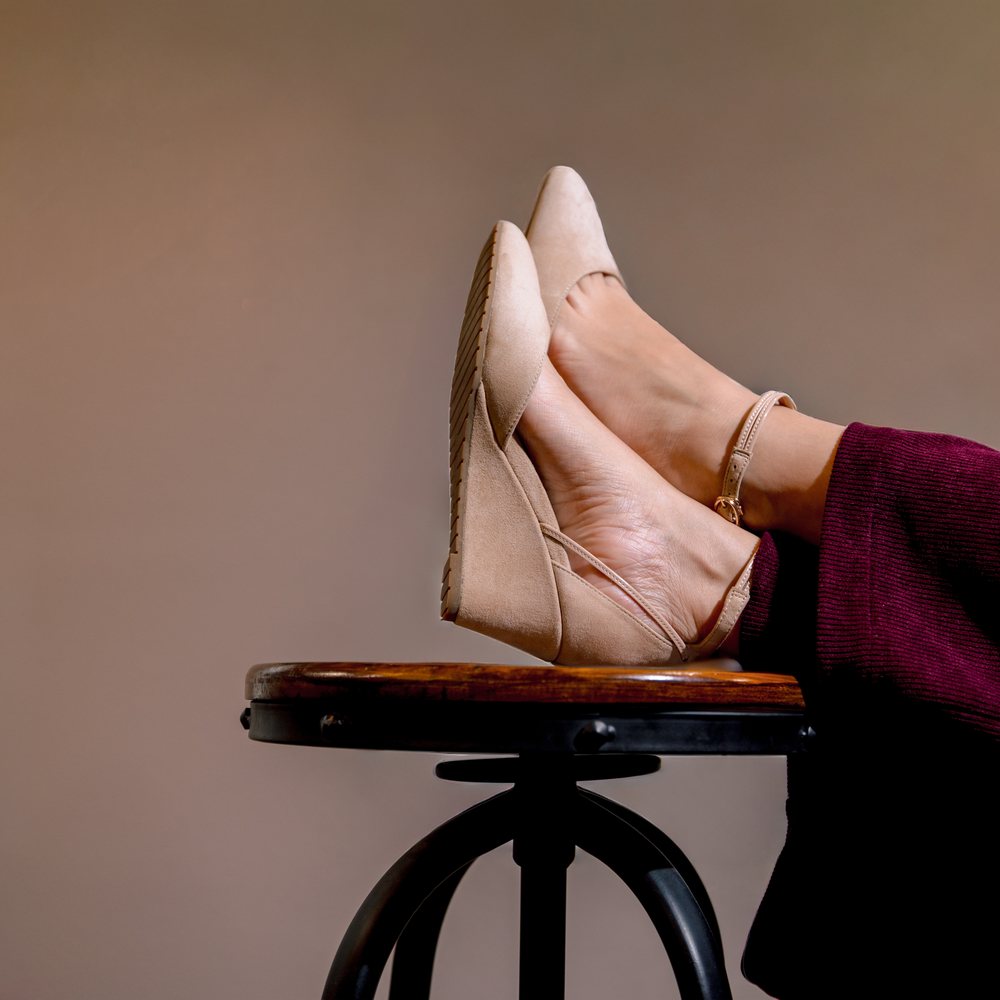
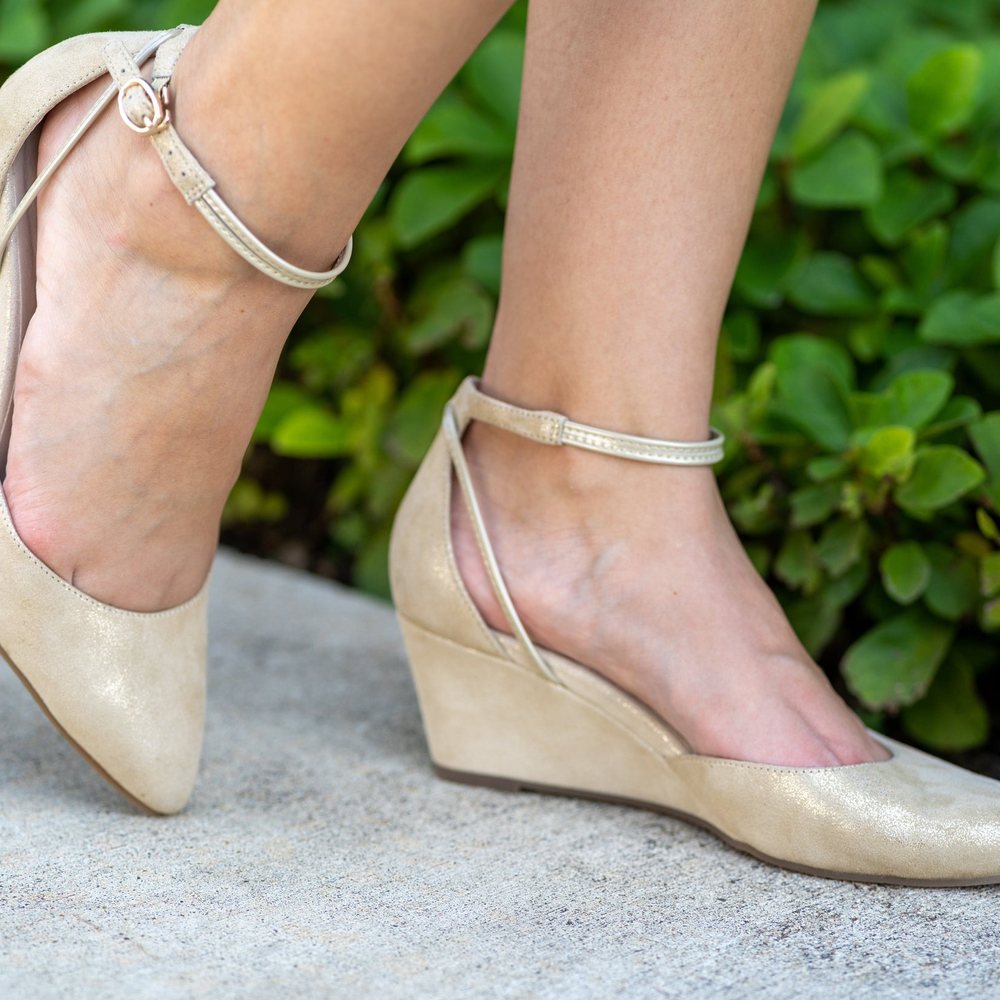
Steffie's was created by a neuroscientist who didn't accept that "stylish" had to mean "painful." Every pair pairs a 2″ wedge, engineered to look like a heel and feel like a sneaker, with RoamFoam™ cushioning, a built-in met pad and real arch support. It's heel-height style on a base your feet can actually tolerate all day.
Where to start
- Browse the comfortable wedges.
- See the best sellers.
- Read the science behind the comfort.
Not sure where to start? A real person reads every email at help@steffies.com. We're actually here.